
How RoadWave™ works
Vehicle passes over the embedded system. Kinetic energy is captured through mechanical contact. Energy is converted and delivered as usable power.
The four stages of energy recovery
A vehicle passes over the embedded system. The road surface transfers kinetic force downward into the capture modules beneath.
Vehicle passes over
Weight and motion trigger the energy capture modules embedded below the road surface.
Kinetic energy captured
Mechanical contact converts the downward force into stored potential energy within the system.
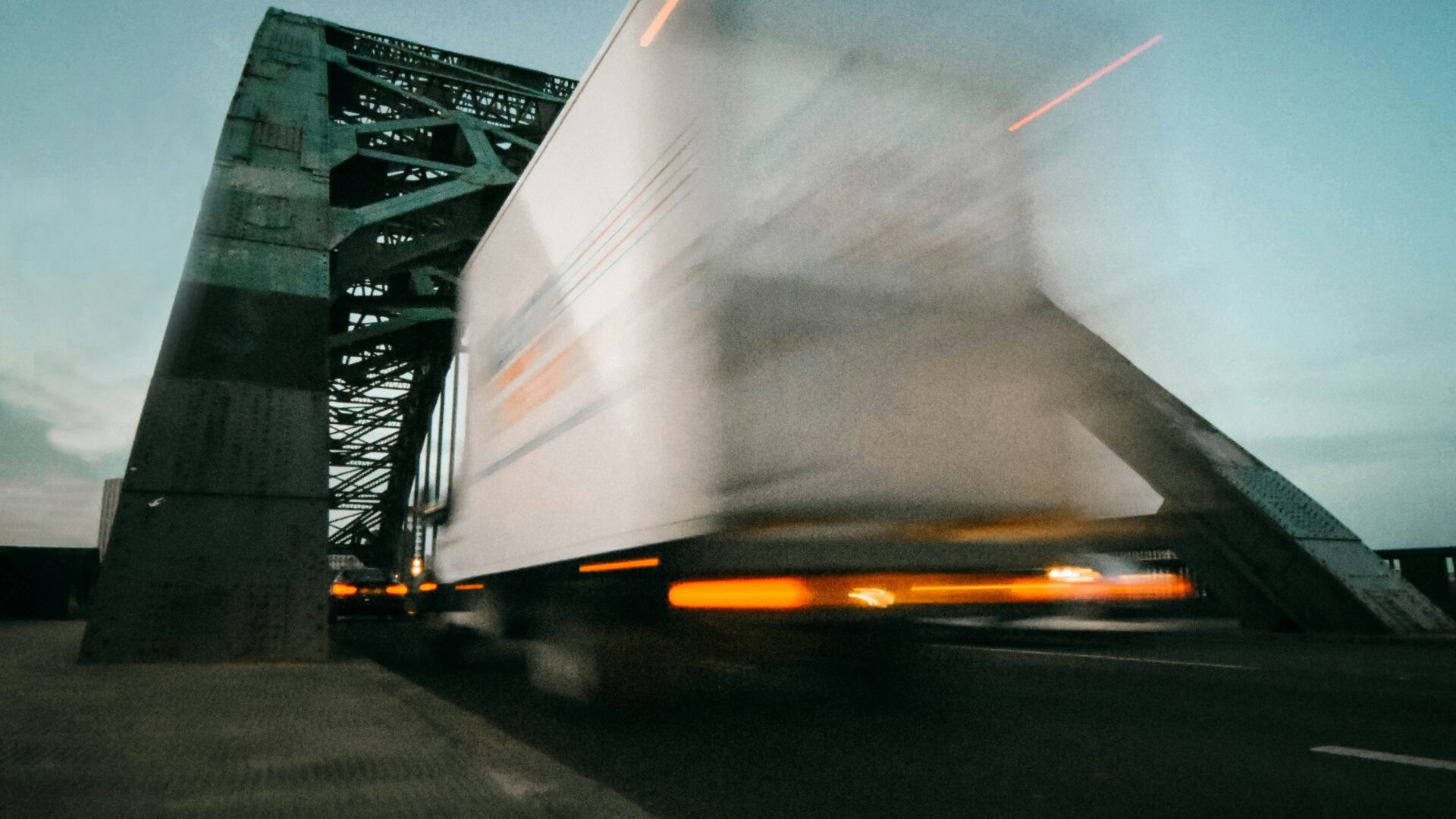
Mechanical conversion
Rotational motion transfers energy to electrical generation units, producing consistent power output.
Electrical generation
Generated power flows directly to your site infrastructure, storage systems, or grid connection points.
Built to last
Energy capture modules sit beneath the road surface, designed to withstand continuous heavy traffic loads. The mechanical conversion system transfers kinetic force into rotational motion. Electrical generation units produce consistent output. Integration hardware connects directly to your site’s existing power infrastructure or storage systems.
One platform, two designs
RoadWave deploys as Wolf or Fox, each engineered for specific traffic types and site conditions. Both operate on the same core technology, scaled for their environment.
Wolf handles continuous heavy loads
Built for HGV, freight, and military traffic. Wolf modules withstand sustained high-force impacts and deliver maximum energy recovery per vehicle pass.

Fox scales for urban and campus use
Designed for cars, vans, and light traffic. Fox modules integrate seamlessly into parking areas, access roads, and community spaces with minimal installation disruption.
Deploy Wolf and Fox on the same site
Mixed traffic environments benefit from hybrid deployment. Wolf handles the main access route while Fox covers secondary areas, maximizing energy capture across your entire site.
How RoadWave fits your site
RoadWave integrates into existing road infrastructure without requiring site redesign. Power connects directly to your energy systems, whether that’s battery storage, on-site generation, or grid export.
Energy from motion, nothing else required
Always operating
No ecosystem change
No land conversion
Existing motion captured
Four reasons RoadWave delivers
Built into your existing infrastructure. Always on. Independent of weather. Ready to scale across your operations.

Ready to deploy RoadWave
Let’s discuss your site. We’ll assess traffic patterns, energy needs, and integration points. No obligation, no lengthy process. Just a conversation about what’s possible.
Ready for the next step?
Request a site survey to explore RoadWave deployment at your location.